Montana's only high-speed treadmill
Run faster than you can run.
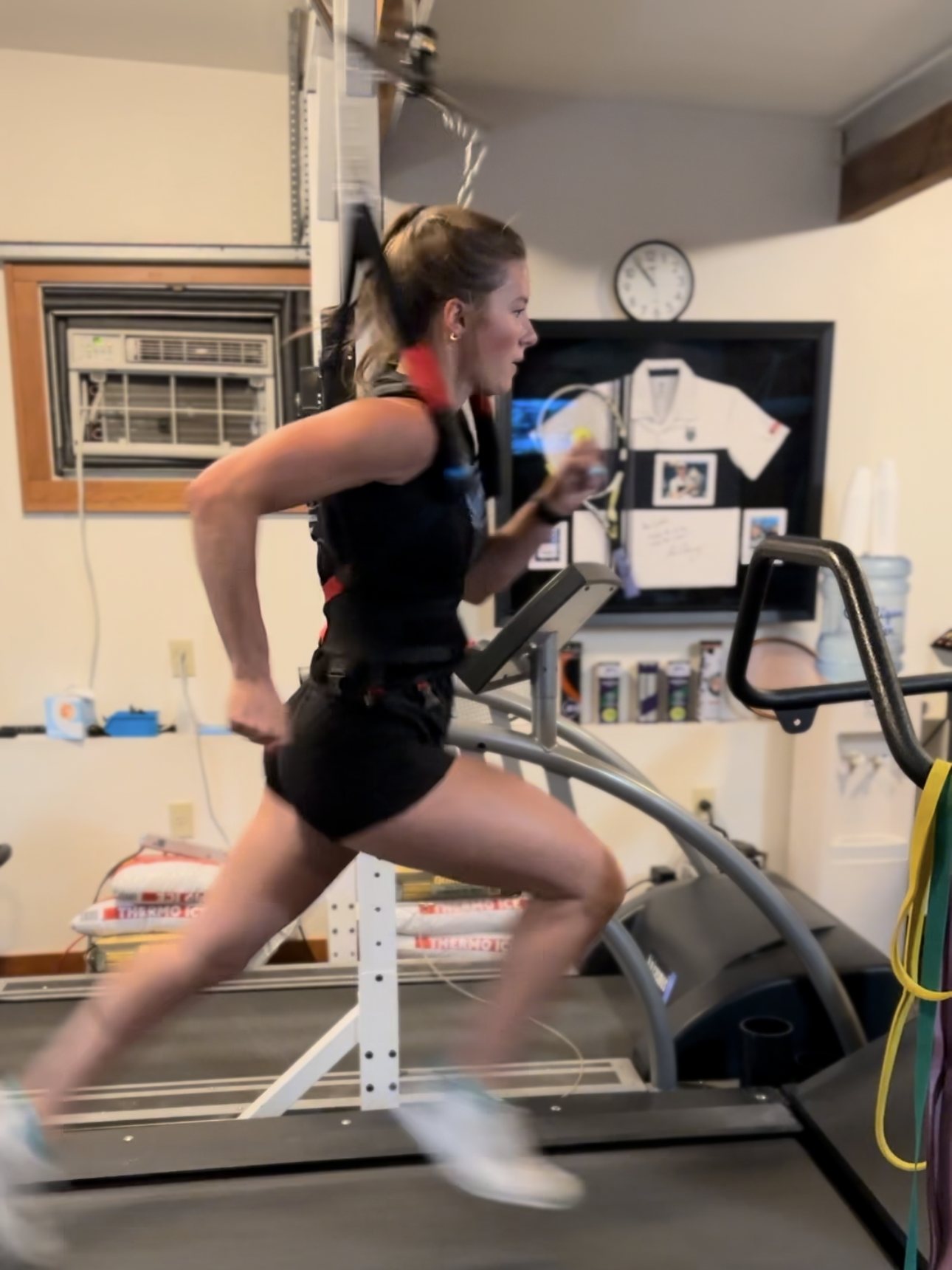
The belt runs to 30 miles an hour. A pneumatic harness carries part of an athlete's body weight, so they can hold a stride they could not hold on the ground, and repeat it safely.
That is the whole idea. Speed is a skill the nervous system learns, and it learns it by doing it. Most athletes never get to run faster than they already run, so they never teach their body what faster feels like.
The program came out of fifteen years working with professional athletes. It is the same work on the same machine, set to whoever is standing on the belt.
What a session works on
01
Top-end speed
Running at a speed the athlete cannot reach on their own, long enough for the nervous system to learn the turnover.
02
Acceleration
Starts, first steps, and getting to top speed sooner.
03
Forward, backward, 360°
The belt runs in every direction, so the work goes past straight-ahead sprinting.
04
Quickness and agility
Foot speed, reaction, change of direction and explosive movement drills, designed to train the nervous system and help athletes become quicker, more reactive and explosive.
Who trains here
- Professional athletes
- Collegiate athletes
- High school athletes
- Club athletes
- Middle school athletes
- Developing youth athletes
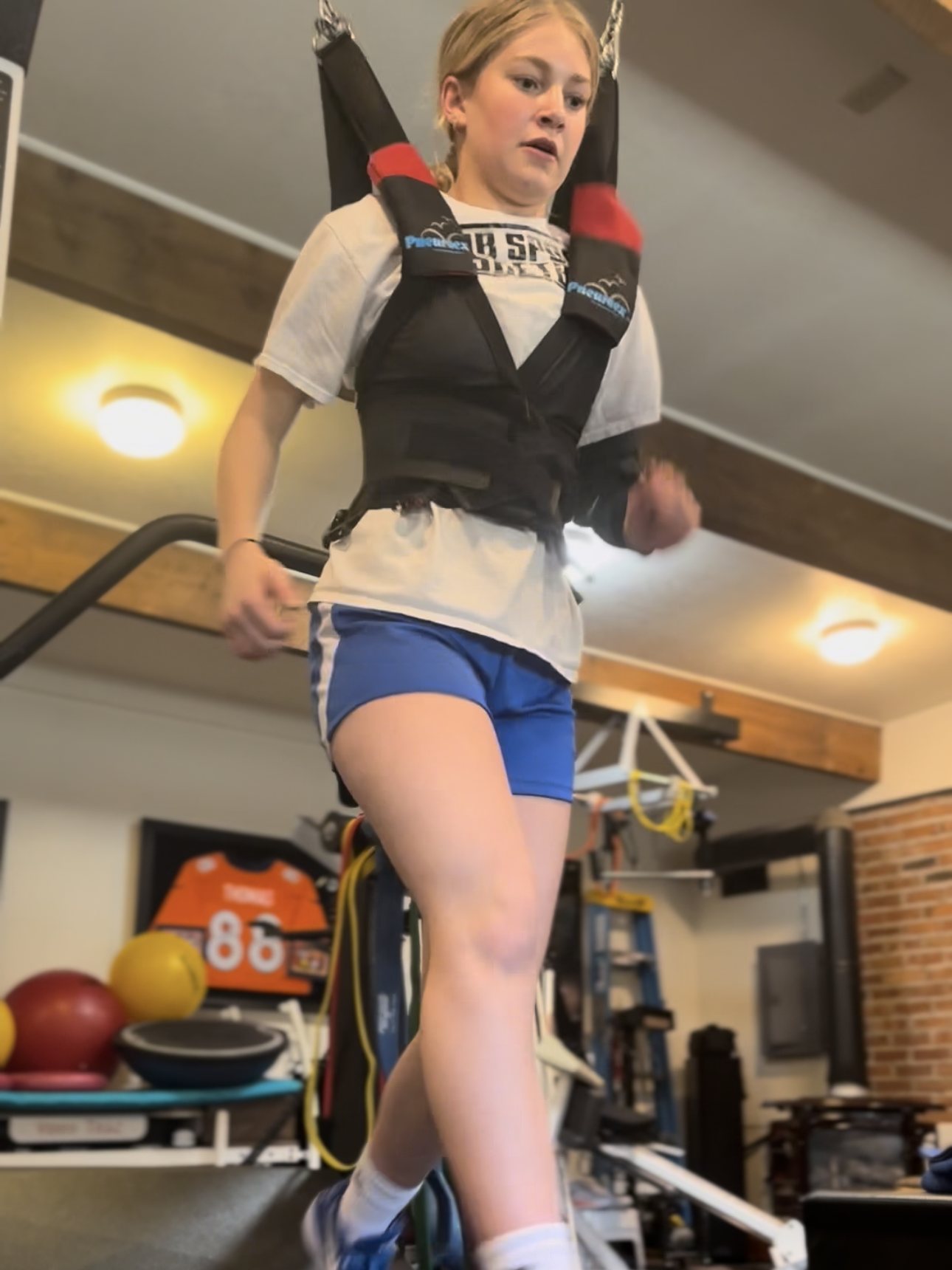
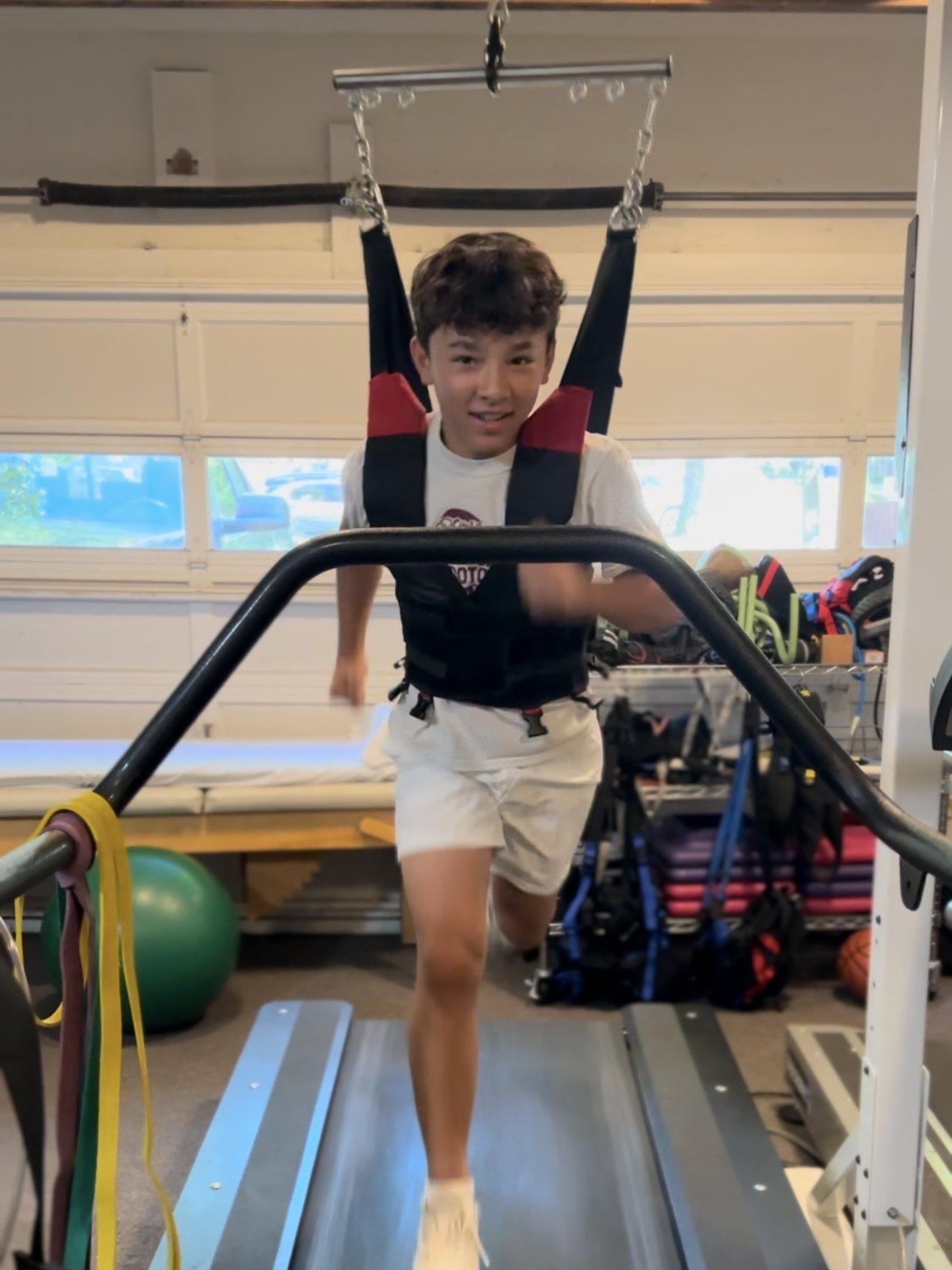
Collegiate athletes train here year round. Middle school is one of the biggest groups in the program, and there is no strict age cut-off: generally around fifth grade and up, depending on the athlete.
With younger athletes the work starts with biomechanics, technique and movement patterns, and the speed follows. An athlete does not have to be ready for every part of the system to get something out of a session.
Start here
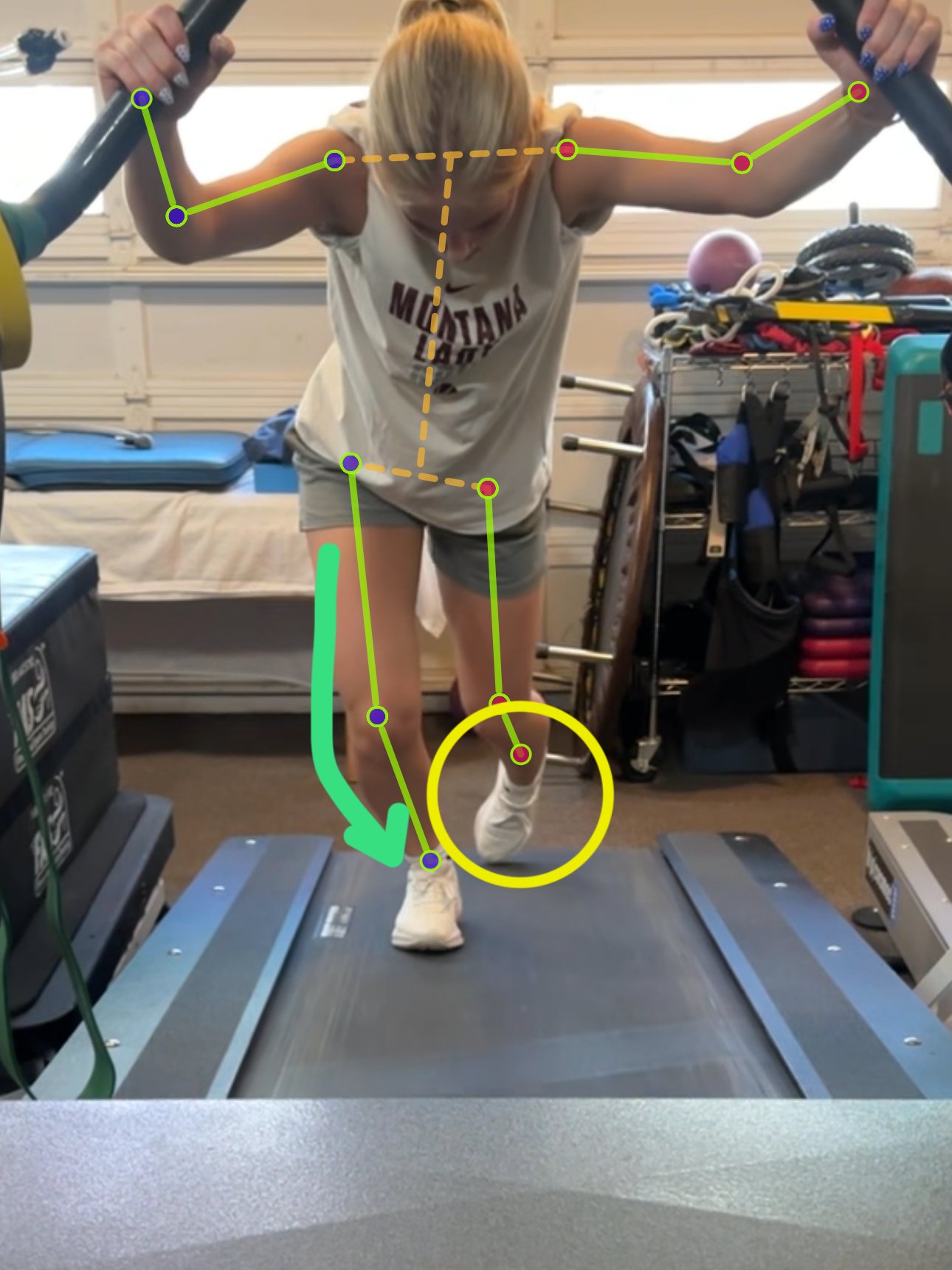
Every athlete starts with an evaluation. Dr. Cordial records you moving and evaluates your gait and mechanics, identifying the energy leaks and compensations that may be limiting your speed and efficiency.
What that turns up is what the program gets built around, along with what the season ahead asks of you.
Wear athletic shorts and a T-shirt. Payment is due at your visit.